Call us now :07971549123
 Send Inquiry
 Send Inquiry
FRP Ducting
Price 1,700 INR/ Meter
FRP Ducting Specification
- Coating Type
- Chemical resistant resin coating
- Glass Type
- E-glass or C-glass
- GSM
- 450-1200 GSM
- Thermal Conductivity
- 0.2-0.35 W/mK
- Usage & Applications
- Chemical industries, HVAC, Wastewater plants, Corrosive gas handling
- Thickness
- 3 mm to 10 mm
- Shape
- Round, Square, Rectangular
- Density
- 1.9 Gram per cubic centimeter(g/cm3)
- Temperature
- -40C to 120C
- Material
- Fibre Reinforced Plastic (FRP)
- Application
- Industrial ventilation and exhaust systems
- Technique
- Pultrusion and Hand lay-up molding
- Surface Treatment
- Smooth gel coat finish
- Dimension (L*W*H)
- Customized as per requirements
- Corrosion Resistance
- Excellent against acids, alkalis, and moisture
- Joining Method
- Flanged joints or adhesive bonding
- Fire Resistance
- Optional fire-retardant grades available
- Installation
- Lightweight, easy to install and transport
- Color
- Grey or as customized
- Standard Length
- 3m, 5m or as specified
- Maintenance
- Low, due to high corrosion resistance
- Standards
- Conforms to IS 14402 / ASTM D2996/ D3517
- UV Stability
- UV stabilized for outdoor installation
- Pressure Rating
- Upto 2 Bar depending on dimension and thickness
FRP Ducting Trade Information
- Minimum Order Quantity
- 50 Meter
- Supply Ability
- 1000 Per Month
- Delivery Time
- 21 Days
About FRP Ducting
Our reputation in the market is largely attributable to our prestigious assortment of FRP Ducting. The advanced range is acknowledged for serving wide industrial sectors such as water plant, industrial, wastewater, commercial and HVAC system. Also, the proposed range is demanded for resistance against corrosion and leakage while maintaining the integrity. FRP Ducting is obtainable by our clients at competitive rates. This product can be availed by our buyers in various sizes and dimensions as per their requirements.
Superior Corrosion and Fire Resistance
FRP ducting offers excellent corrosion resistance against harsh chemicals and moisture, making it a prime choice for chemical industries and corrosive environments. Optional fire-retardant grades enhance safety, particularly in facilities with stringent fire protection requirements. This ensures reliable performance even in demanding industrial settings.
Flexible Customization and Installation
Available in standard 3m or 5m lengths, FRP ducting can also be produced in customized dimensions and shapes. Its lightweight nature enables simple transportation and installation, reducing the need for heavy machinery. Joining methods include flanged joints or adhesive bonding, allowing for versatile integration into existing systems.
Compliance and Durability
Manufactured using pultrusion and hand lay-up molding techniques, these ducts conform to international standards such as IS 14402 and ASTM D2996/D3517. With outstanding UV stability and a chemical-resistant resin coating, FRP ducting is suitable for outdoor installations. The robust surface finish ensures longevity and minimal maintenance, contributing to reduced operational costs.
FAQs of FRP Ducting:
Q: How is FRP ducting installed in industrial ventilation systems?
A: FRP ducting is lightweight and typically installed using flanged joints or adhesive bonding. Its manageable weight simplifies transportation and handling, and it can be easily integrated into new or existing industrial ventilation and exhaust setups.Q: What benefits does FRP ducting offer over traditional metal ducts?
A: FRP ducting provides superior corrosion resistance against acids, alkalis, and moisture, requires less ongoing maintenance, and offers optional fire-retardant properties. Additionally, it is UV stabilized for outdoor use and is available in customized shapes and dimensions to fit diverse applications.Q: When should fire-retardant grades of FRP ducting be specified?
A: Fire-retardant grades are recommended when ducting will be used in environments where fire safety regulations are strict, such as chemical processing plants or facilities handling flammable gases, in order to enhance protection and ensure regulatory compliance.Q: Where can FRP ducting be used?
A: FRP ducting is suitable for a wide range of settings, including chemical industries, HVAC systems, wastewater treatment plants, and facilities handling corrosive gases. Its versatility in shape and size allows it to be tailored for specific operational needs.Q: What process is used to manufacture FRP ducting?
A: FRP ducting is manufactured utilizing pultrusion and hand lay-up molding processes, which allow precise customization in thickness (3 mm to 10 mm), GSM, and fire resistance to meet various application requirements.Q: How does the excellent corrosion resistance of FRP ducting benefit maintenance?
A: The high corrosion resistance of FRP ducting significantly reduces the need for frequent inspections and repairs, resulting in lower maintenance costs and longer service life, even in aggressive chemical environments.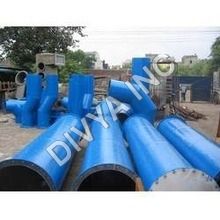
Tell us about your requirement

Price:
Quantity
Select Unit
- 50
- 100
- 200
- 250
- 500
- 1000+
Additional detail
Mobile number
Email

More Products in FRP Products Category
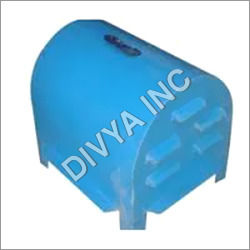
FRP Motor Cover
Price 1,500 INR / Piece
Minimum Order Quantity : 1 Piece
Usage & Applications : Covers for Electric Motors in Industrial Settings, Outdoor Motor Enclosures
Thermal Conductivity : 0.3 W/mK
Material : FRP (Fiber Reinforced Plastic)
Coating Type : Gel Coat
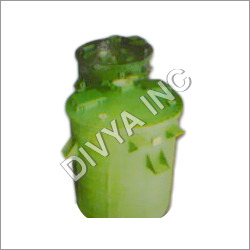
PP FRP Reactor
Price 60000 INR / Piece
Minimum Order Quantity : 1 Piece
Usage & Applications : Mixing, Reacting, and Storing Corrosive Chemicals
Thermal Conductivity : 0.22 W/(mK)
Material : Polypropylene (PP) Lined with Fiber Reinforced Plastic (FRP)
Coating Type : Anticorrosive FRP Coating
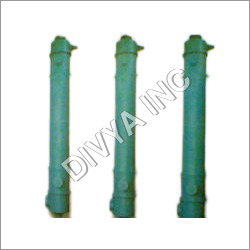
PP FRP Scrubber
Price 72,000 INR / Piece
Minimum Order Quantity : 1 Piece
Usage & Applications : Removal of acidic gases, chemical fumes, and hazardous air pollutants
Thermal Conductivity : 0.23 W/mK
Material : PP FRP (Polypropylene Fiber Reinforced Plastic)
Coating Type : Anticorrosive coating
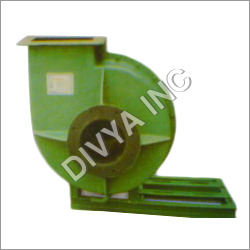
PP FRP Blowers
Price 15,000 INR / Piece
Minimum Order Quantity : 1 Piece
Usage & Applications : Ventilation, Exhaust, Pollution Control, Chemical Industries, Laboratory Fume Handling
Thermal Conductivity : ~0.2 W/mK
Material : Polypropylene (PP) Lined Fibre Reinforced Plastic (FRP)
Coating Type : UV Resistant, Anticorrosive


 Send Inquiry
Our Products

Plot No.- 136/A/3, Phase-II, GIDC,Vapi - 396195, Gujarat, India

Mr. Kalpesh
(Proprietor)
Mobile :07971549123
 Send Inquiry
 Send SMS
Developed and Managed by Infocom Network Private Limited.


